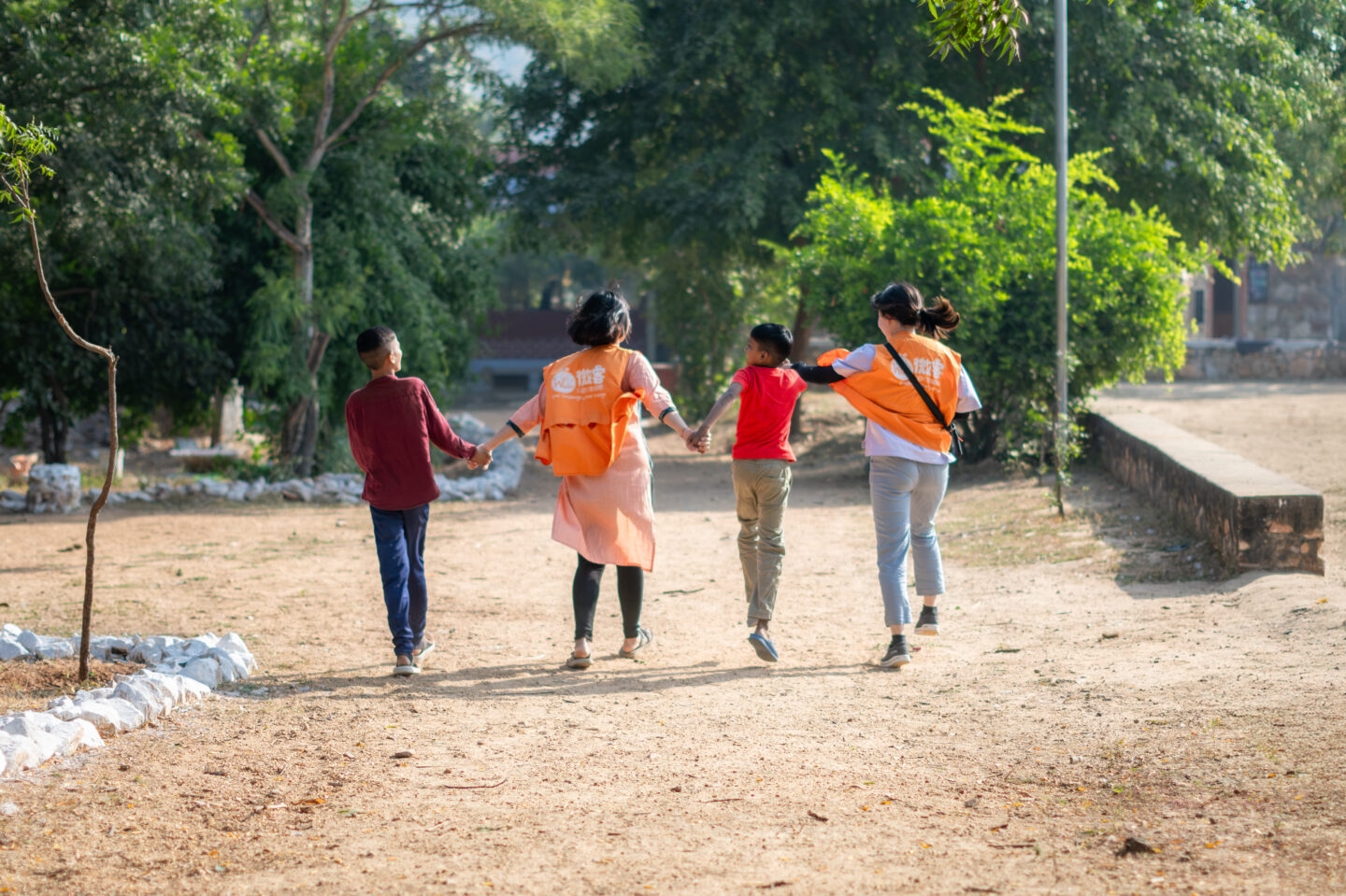
If volunteering is to contribute meaningfully to sustainable development beyond 2030, we need to think less about how individual volunteer assignments incorporate global challenges, and more about how volunteering can mobilise people to act on the bigger political, economic and social forces in their own countries that shape those challenges globally. For international volunteer cooperation organisations (IVCOs), we believe this means a decisive shift in emphasis: more action ‘at home’.
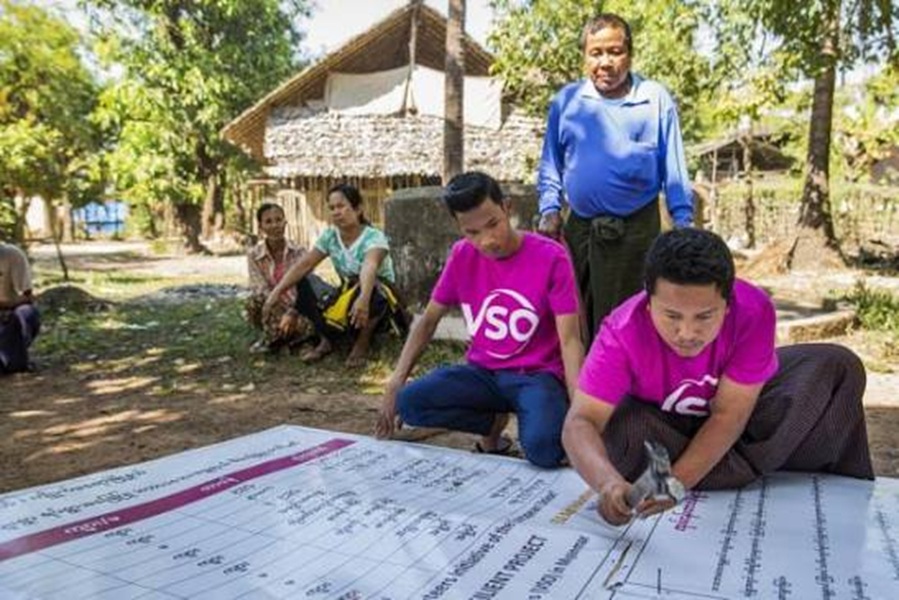
Volunteering for development is grounded in values of generosity, service, and solidarity. These values remain essential because volunteering begins with people, relationships, trust, and a willingness to contribute. Yet in today’s development landscape, where social risks are more complex and civic space is under pressure, good intentions are not enough
19-23 October 2026 | Paris, France
Registration is now LIVE for the 2026 Global Volunteering Forum!
Join us in Paris, as we celebrate the UN’s International Volunteer Year.
We’re again bringing together leaders from across the globe to help tackle the biggest shifts in volunteering, partnerships, impact and innovation.
The conference report ‘Strengthening Civil Society in Challenging Times’ captures key themes from the 2025 International Volunteer Cooperation Organisations Conference (IVCO 2025). It reflects the collaborative efforts of the IVCO 2025 Organising Team. IVCO was organised by the Global Volunteering Forum with co-hosts the Cooperation Committee for Cambodia (CCC) and in partnership with Australian Volunteers International (AVI), France Volontaires and VSO Cambodia.
The report was written by Dr. Sathish Rao Appalanaidu and Fazirah Naser, with the support of conference facilitators who assisted with note-taking and documentation: Yakshika Vats, Kathleen Cass and Maia Baillie Smith.
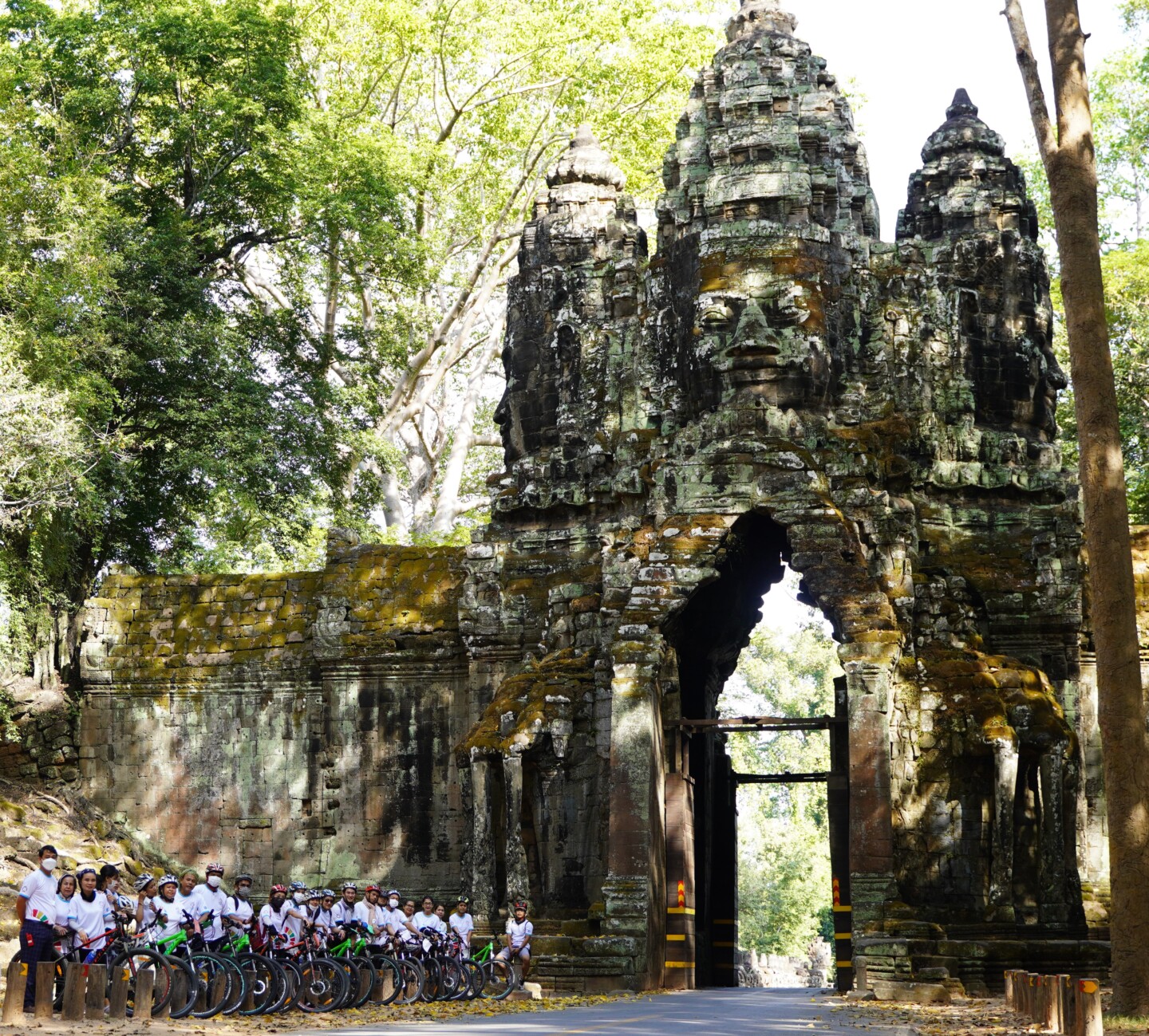
We are halfway to 2030 and the end date for the Sustainable Development Goals (SDG). There cannot be successful development without peace and civil engagement, and therefore there is a need to unite sustainable development in strengthening civil society and sustainable peacebuilding. This latest think piece shares perspectives from Mr Juergen Deile, Ms. Lina Leav and Ms. Phyu Sin Oo, staff and volunteers at the Cooperation Committee for Cambodia (CCC)
This think piece, brought to us by Liyun Wendy Choo, Tina Mackie and Saane Tupou from Te Tūao Tāwāhi Volunteer Service Abroad in Aotearoa New Zealand, explores localisation in the context of volunteering for development (VfD) and argues that highly skilled international volunteers contribute best to global solidarity when they are co-actors and supporters of local agenda, rather than implementers. VSA’s mission is to connect skilled New Zealand volunteers to share their experience and knowledge directly with local people and communities to create lasting, positive change across the Pacific and beyond.
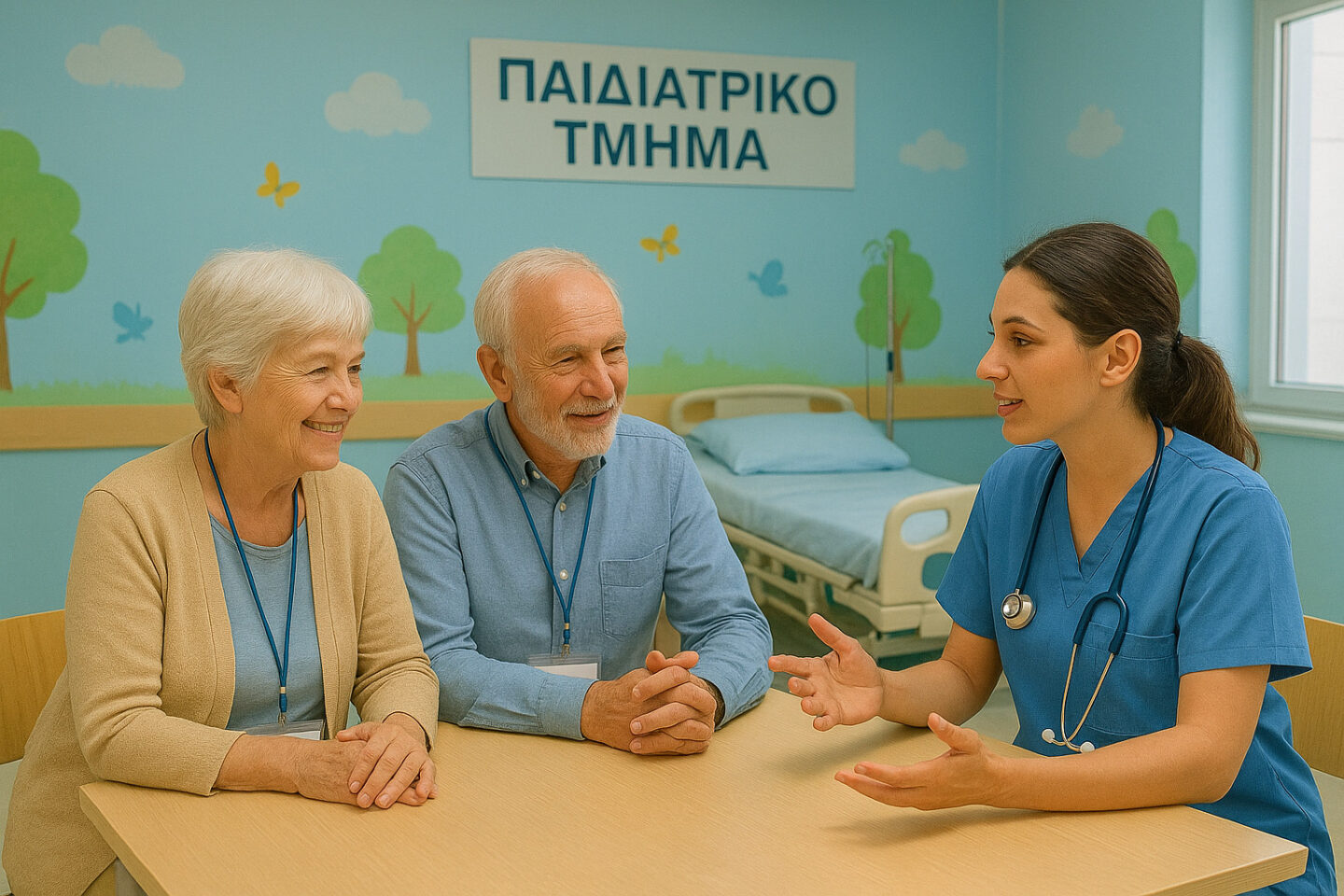
This latest think piece by Dr Isidora D. Mytilinaiou, Ph.D. explores how psychological contract theory and emotional labour theory are shaping the design of a new 65+ Volunteer Registry for public children’s hospitals in Greece. Drawing on comparative fieldwork in Greece and the UK, it examines how older adult volunteers can navigate unspoken expectations and emotional demands in children’s hospital settings—contexts where compassion is both essential and complex to manage.
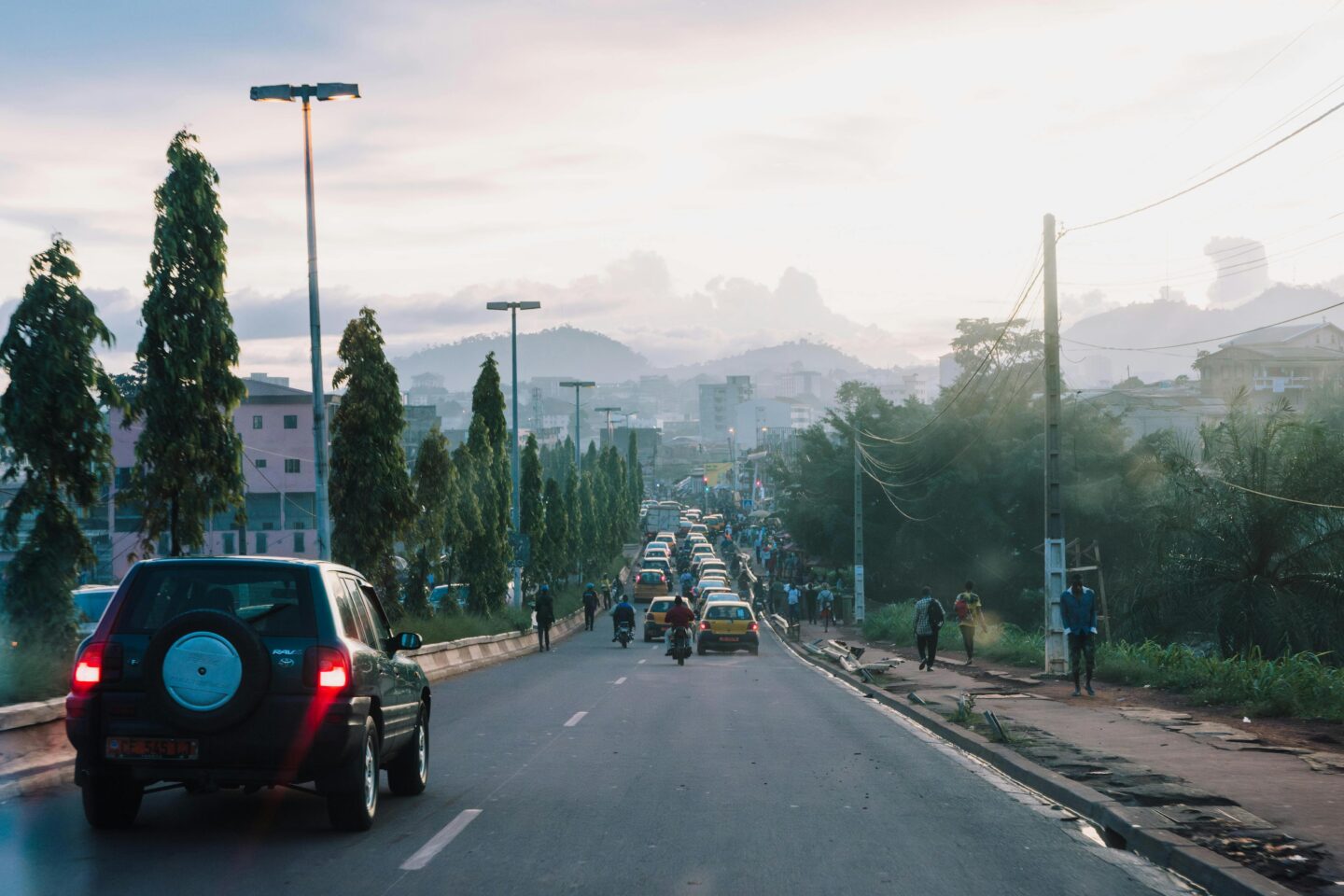
Dans de nombreuses communautés africaines, les crises économiques, sociales et environnementales rendent la vie quotidienne de plus en plus précaire. Pourtant, dans ces contextes fragiles, une force silencieuse, souvent sous-estimée, s’active au cœur des dynamiques locales : celle du volontariat porté par les jeunes et les femmes.
Au Cameroun, cette énergie se manifeste de manière éclatante. Loin d’être de simples bénévoles, ces acteurs volontaires s’imposent comme des piliers de la résilience communautaire, en répondant de manière innovante et engagée aux défis locaux. Qu’il s’agisse de santé, d’environnement, de justice sociale ou de participation citoyenne, leurs actions contribuent à la transformation des territoires.