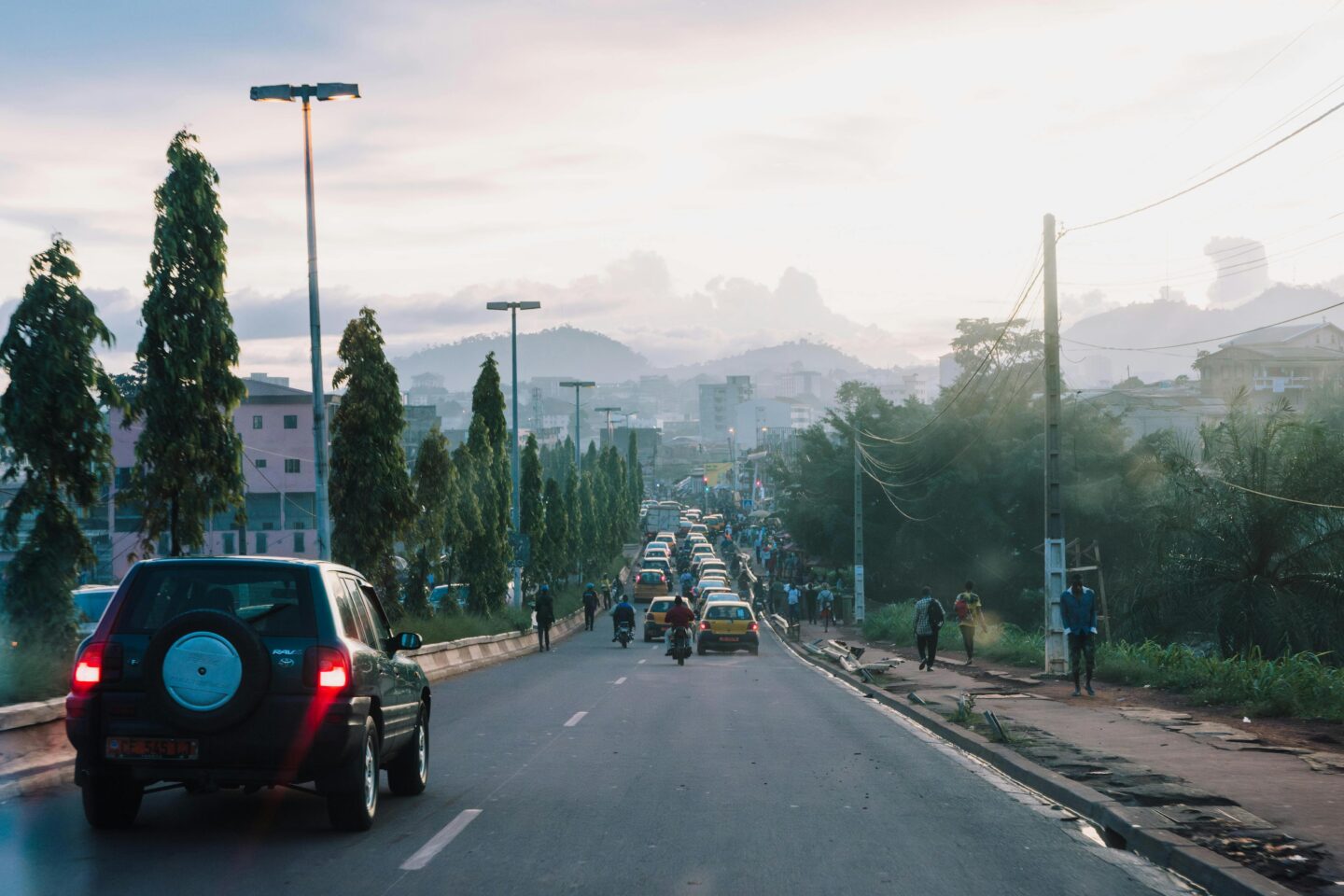
Dans de nombreuses communautés africaines, les crises économiques, sociales et environnementales rendent la vie quotidienne de plus en plus précaire. Pourtant, dans ces contextes fragiles, une force silencieuse, souvent sous-estimée, s’active au cœur des dynamiques locales : celle du volontariat porté par les jeunes et les femmes.
Au Cameroun, cette énergie se manifeste de manière éclatante. Loin d’être de simples bénévoles, ces acteurs volontaires s’imposent comme des piliers de la résilience communautaire, en répondant de manière innovante et engagée aux défis locaux. Qu’il s’agisse de santé, d’environnement, de justice sociale ou de participation citoyenne, leurs actions contribuent à la transformation des territoires.
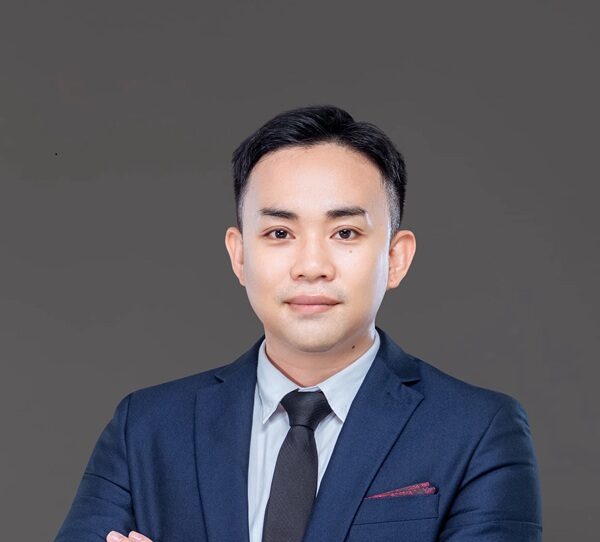
In our latest interview we met with Rithyra Liv, Country Director at France Volontaires in the Kingdom of Cambodia. France Volontaires has been working in Cambodia since 2002 and opened the first Asian Volunteering Centre in Phnom Penh in 2011.
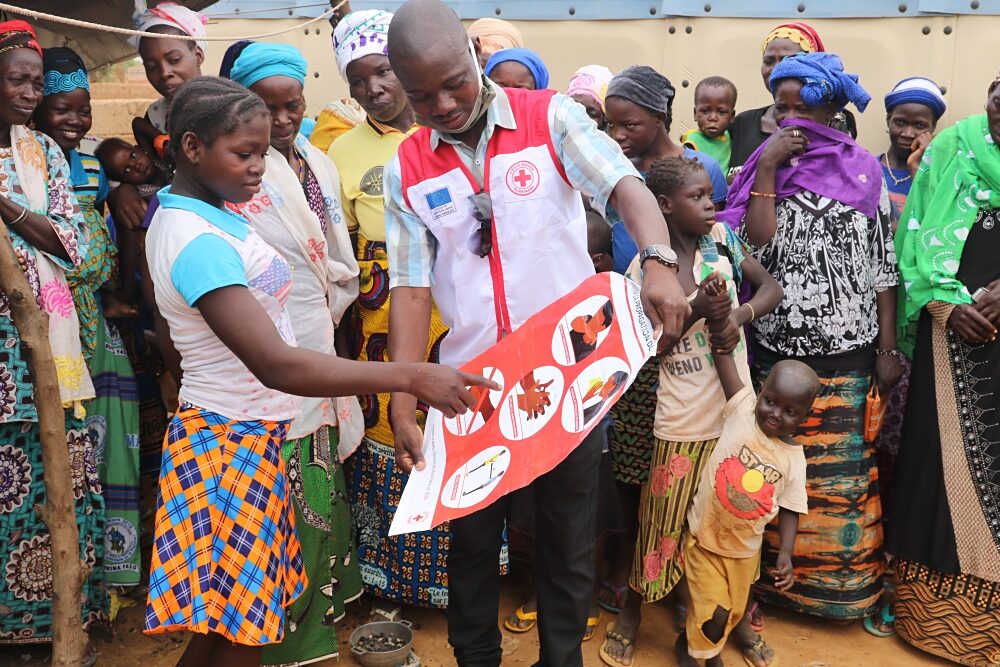
In 1862, Henri Dunant, deeply moved by the suffering he witnessed in 1859 at the Battle of Solferino, asked a transformative question in his book A Memory of Solferino: could communities create relief groups in times of peace, ready to serve the wounded in times of war? His idea, rooted in compassion and neutrality, led to the creation of the Red Cross Red Crescent (RCRC) Movement, now the world’s largest humanitarian network.
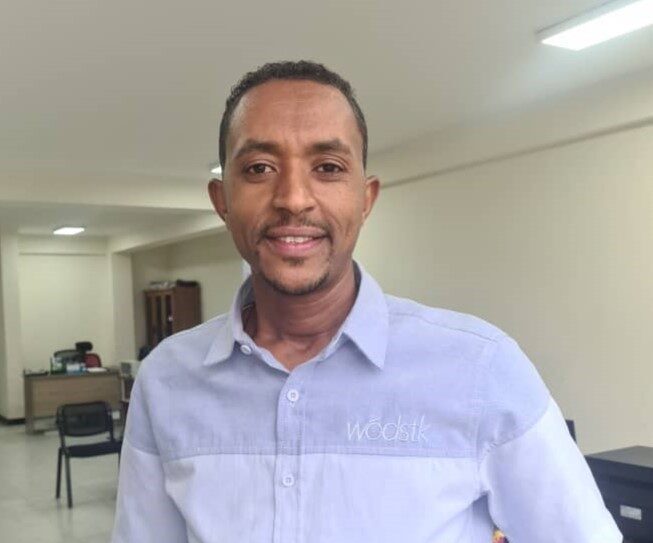
Continuing our series of interviews with influential Forum leaders and IVCO delegates, this week we met with Tariku Negash, Project Manager at Serve Global, a civil society organisation dedicated to promoting structured volunteering services for peace and development.
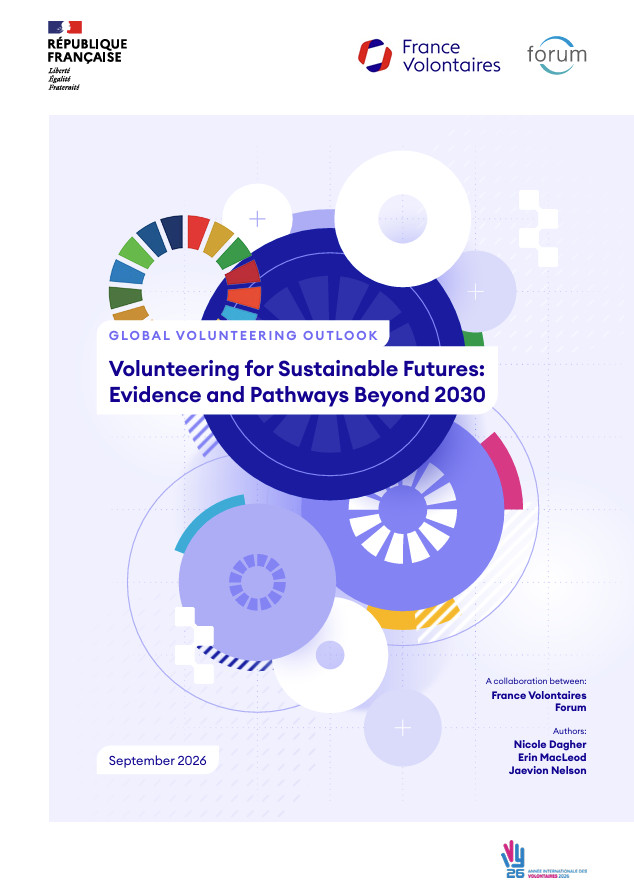
France Volontaires and the Global Volunteering Forum have conducted a joint reflection on these topics ahead of IVCO Paris 2026 (October 19-23). This review is part of the ongoing International Volunteer Year (#IVY2026), which aims to highlight the contribution of volunteering to contemporary global challenges. It extends the work undertaken in recent years by the Forum and its partners and calls for a global dialogue on the role of volunteering in future international development frameworks.
International Voluntary Service (IVS) has undergone a notable evolution since the post-World War II era, particularly influenced by modernisation theory. This theory proposed a development model categorising nations as ‘poor’, requiring support from the Global North. Such structured aid aimed to eradicate poverty while establishing a development discourse in the Global South through skill transfer, financial assistance, and technology. However, this approach has contributed to the process of ‘othering’, as described by Edward Said.
If volunteering is to contribute meaningfully to sustainable development beyond 2030, we need to think less about how individual volunteer assignments incorporate global challenges, and more about how volunteering can mobilise people to act on the bigger political, economic and social forces in their own countries that shape those challenges globally. For international volunteer cooperation organisations (IVCOs), we believe this means a decisive shift in emphasis: more action ‘at home’.
Volunteering for development is grounded in values of generosity, service, and solidarity. These values remain essential because volunteering begins with people, relationships, trust, and a willingness to contribute. Yet in today’s development landscape, where social risks are more complex and civic space is under pressure, good intentions are not enough