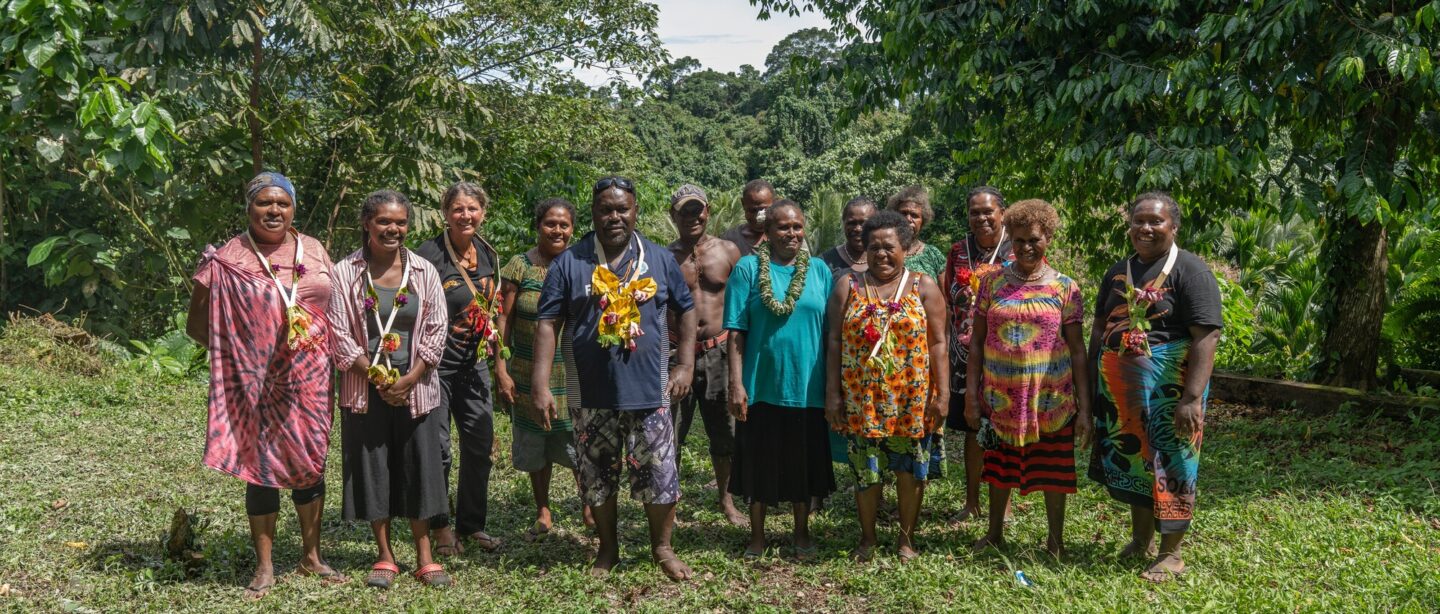
Indigenous communities around the world have long navigated crisis, colonisation, and change through deep relationships, communal responsibility and care for our environment. When confronted with today’s intersecting global challenges, we need models of cooperation that are effective, relational and grounded in reciprocity.
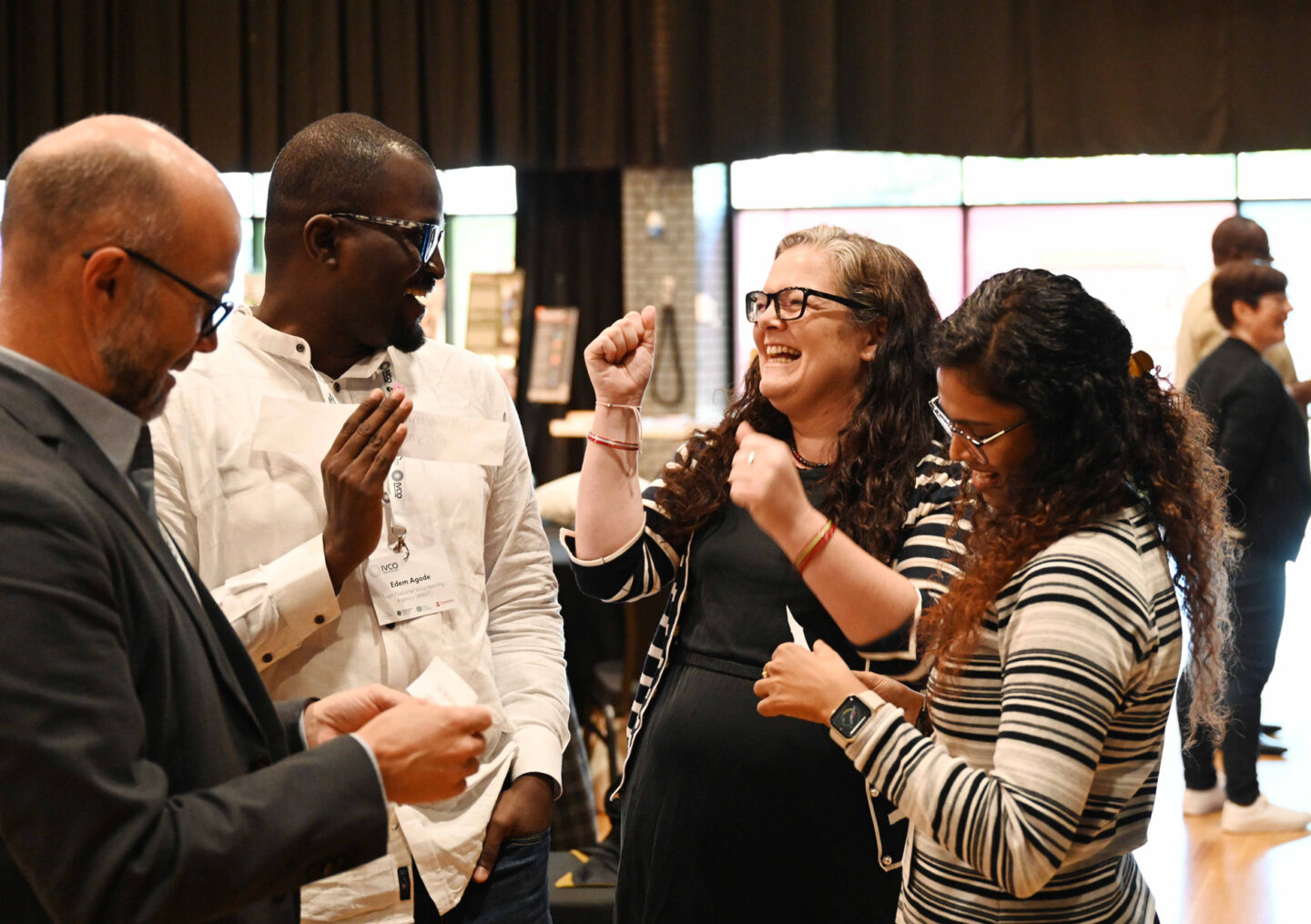
The civil society of the future will not be built in conference halls alone. It will be brewed over tea in repurposed mills, whispered in solidarity via WhatsApp, and taught through first-aid courses in community centres. It will be shaped by the ethic of commoning—of shared care, collective power, and radical love.
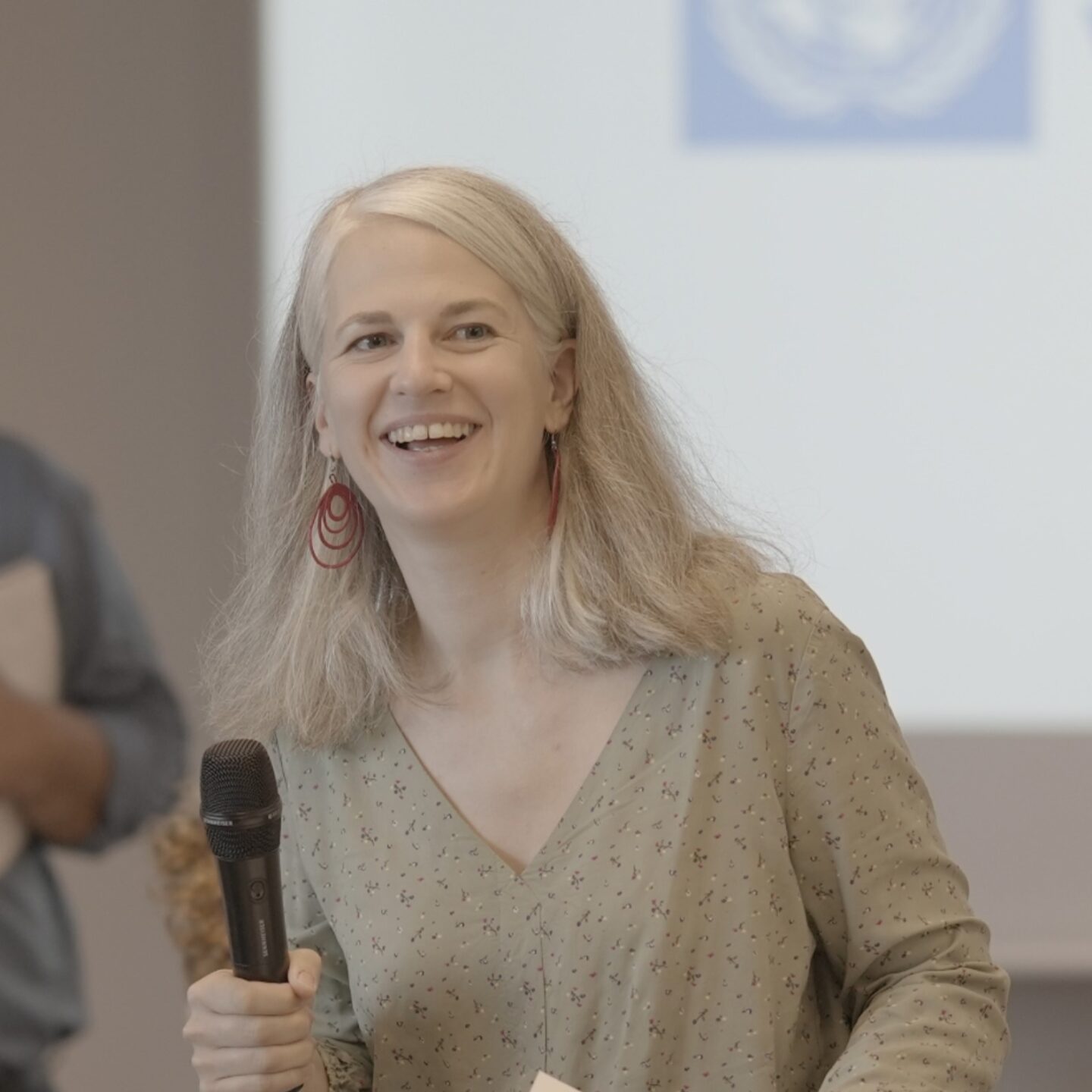
Volunteering for a Sustainable Future: A United Nations Volunteers Perspective Continuing our series of interviews with influential Forum leaders and IVCO delegates, this week we met with Sandra Koch, Team Leader, Secretariat for the International Year of Volunteers for Sustainable Development (IVY) at the United Nations Volunteers (UNV). UNV collaborates with the United Nations system, Member States, civil society and others to drive peace, development, and humanitarian efforts through volunteerism. In a historic resolution, the United Nations General Assembly proclaimed 2026 the International Year of Volunteers for Sustainable Development – in short: International Volunteer Year (IVY) 2026. This significant milestone provides the opportunity to celebrate volunteers and their contributions on a global stage. Register today Tell us a little about IVY 2026 and your role as its Team Leader at UNV? IVY 2026 is a United Nations General Assembly initiative to spotlight the vital role of volunteerism in achieving the 2030 Agenda and its Sustainable Development Goals. As Team Leader of the IVY 2026 Secretariat at UNV, I coordinate our outreach, advocacy and communications efforts around the International Year. The Secretariat’s role – as mandated by the General Assembly – is to support Member States, United Nations entities civil society,
Did you know that each year IVCO publishes Think Pieces from its members and delegates that discuss the very latest in global volunteering practice and, that they are free for you to access?
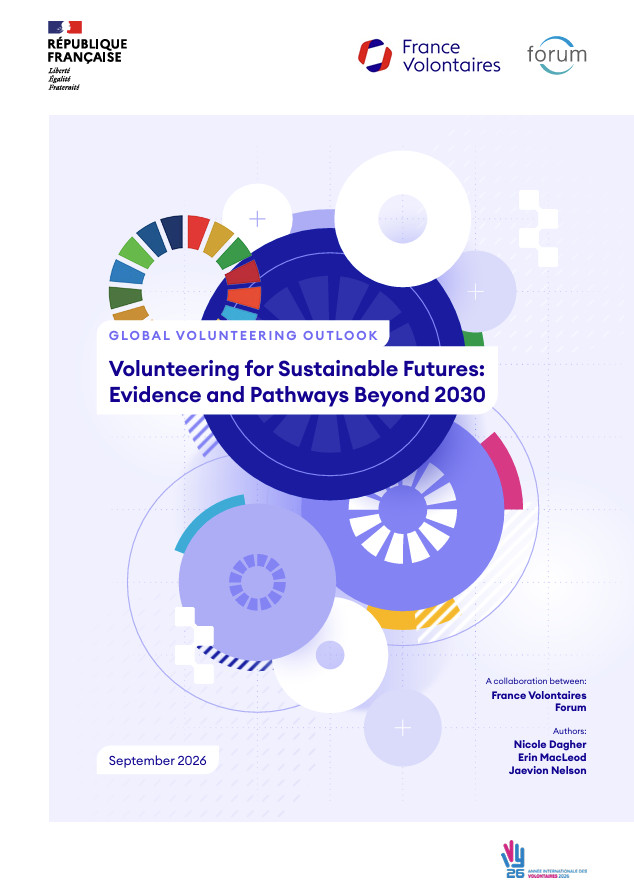
France Volontaires and the Global Volunteering Forum have conducted a joint reflection on these topics ahead of IVCO Paris 2026 (October 19-23). This review is part of the ongoing International Volunteer Year (#IVY2026), which aims to highlight the contribution of volunteering to contemporary global challenges. It extends the work undertaken in recent years by the Forum and its partners and calls for a global dialogue on the role of volunteering in future international development frameworks.
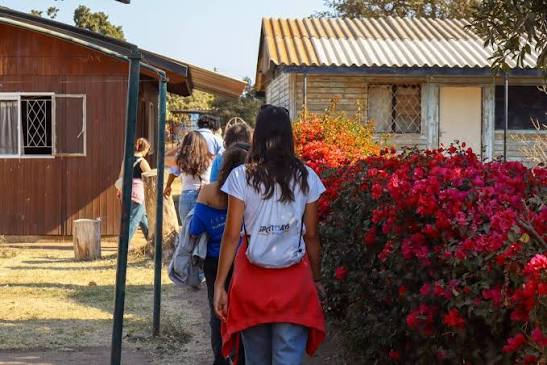
International Voluntary Service (IVS) has undergone a notable evolution since the post-World War II era, particularly influenced by modernisation theory. This theory proposed a development model categorising nations as ‘poor’, requiring support from the Global North. Such structured aid aimed to eradicate poverty while establishing a development discourse in the Global South through skill transfer, financial assistance, and technology. However, this approach has contributed to the process of ‘othering’, as described by Edward Said.
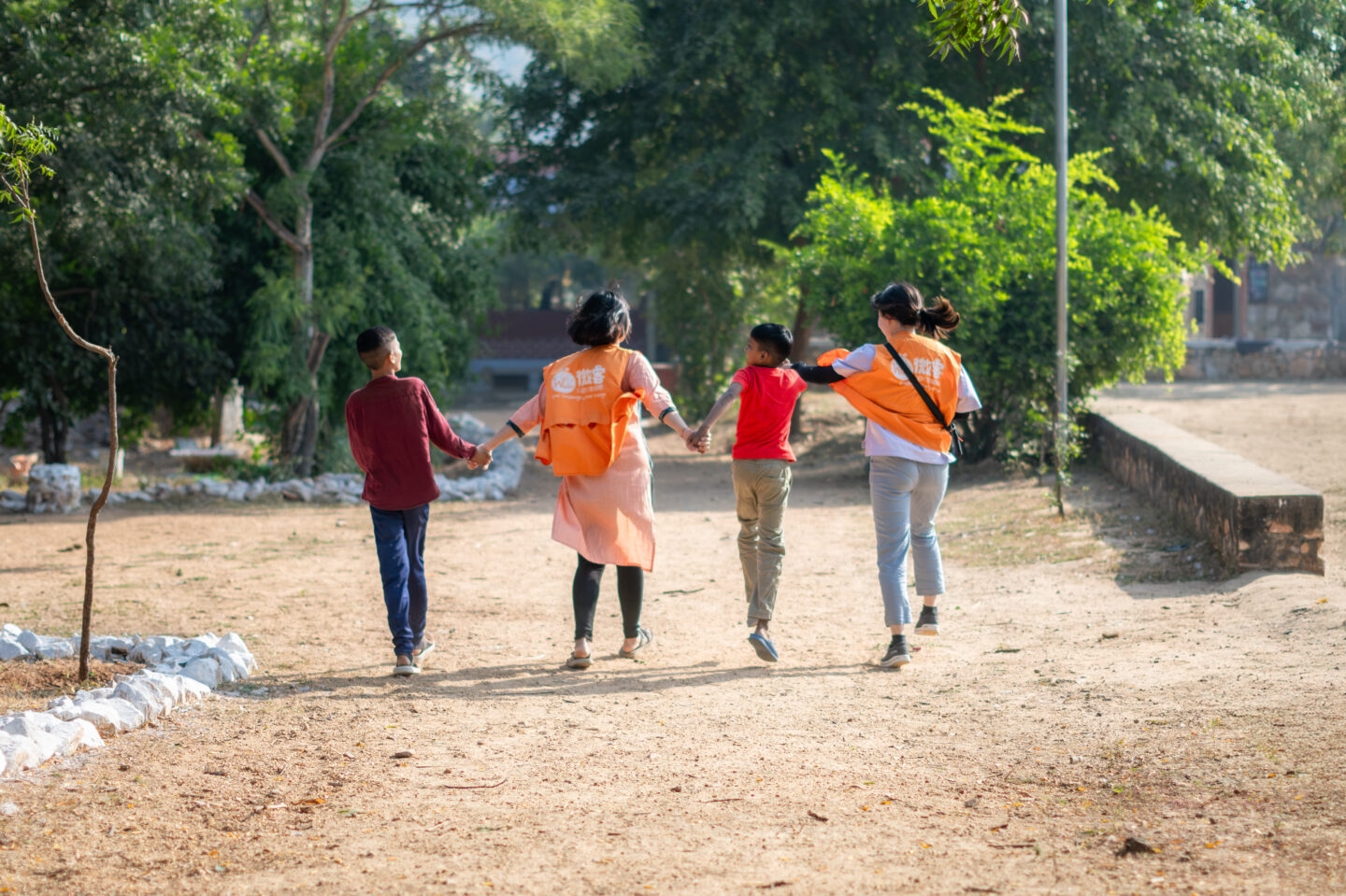
If volunteering is to contribute meaningfully to sustainable development beyond 2030, we need to think less about how individual volunteer assignments incorporate global challenges, and more about how volunteering can mobilise people to act on the bigger political, economic and social forces in their own countries that shape those challenges globally. For international volunteer cooperation organisations (IVCOs), we believe this means a decisive shift in emphasis: more action ‘at home’.
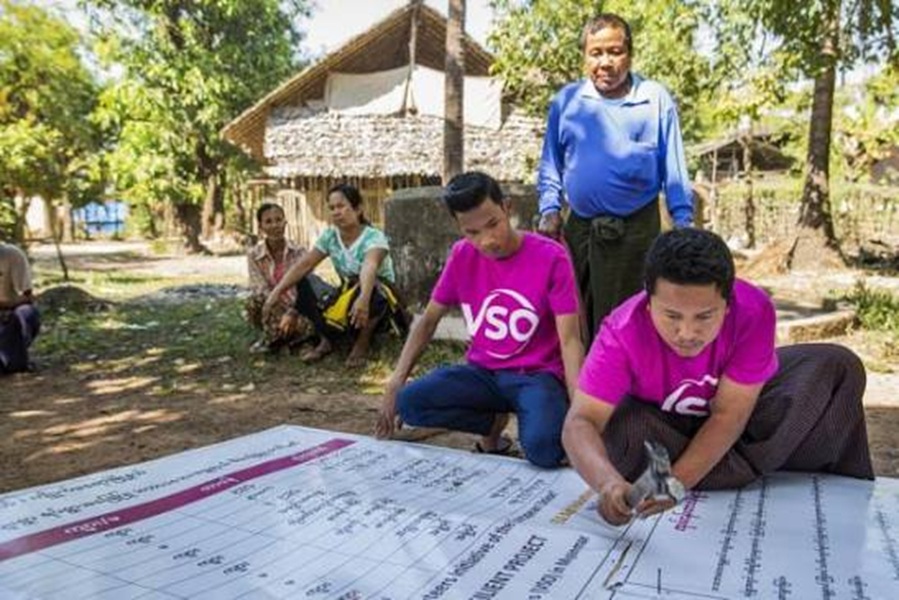
Volunteering for development is grounded in values of generosity, service, and solidarity. These values remain essential because volunteering begins with people, relationships, trust, and a willingness to contribute. Yet in today’s development landscape, where social risks are more complex and civic space is under pressure, good intentions are not enough