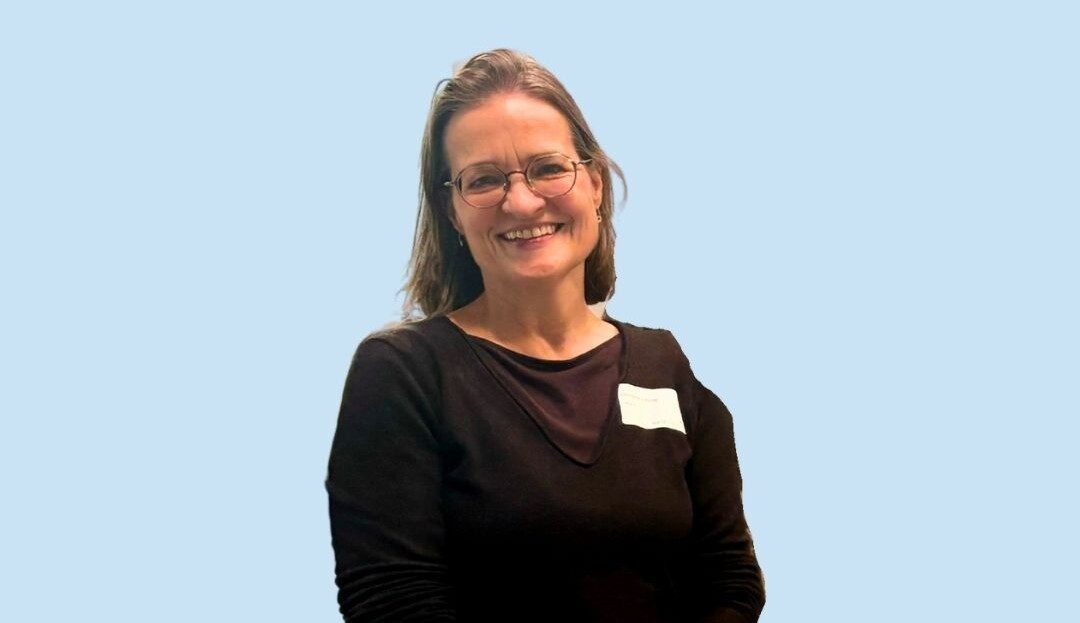
Continuing our new series of interviews with influential Forum leaders and IVCO delegates. This week we met with Christina Schulte, CEO of VIA e.V., the Association for International and Intercultural Exchange in Germany.
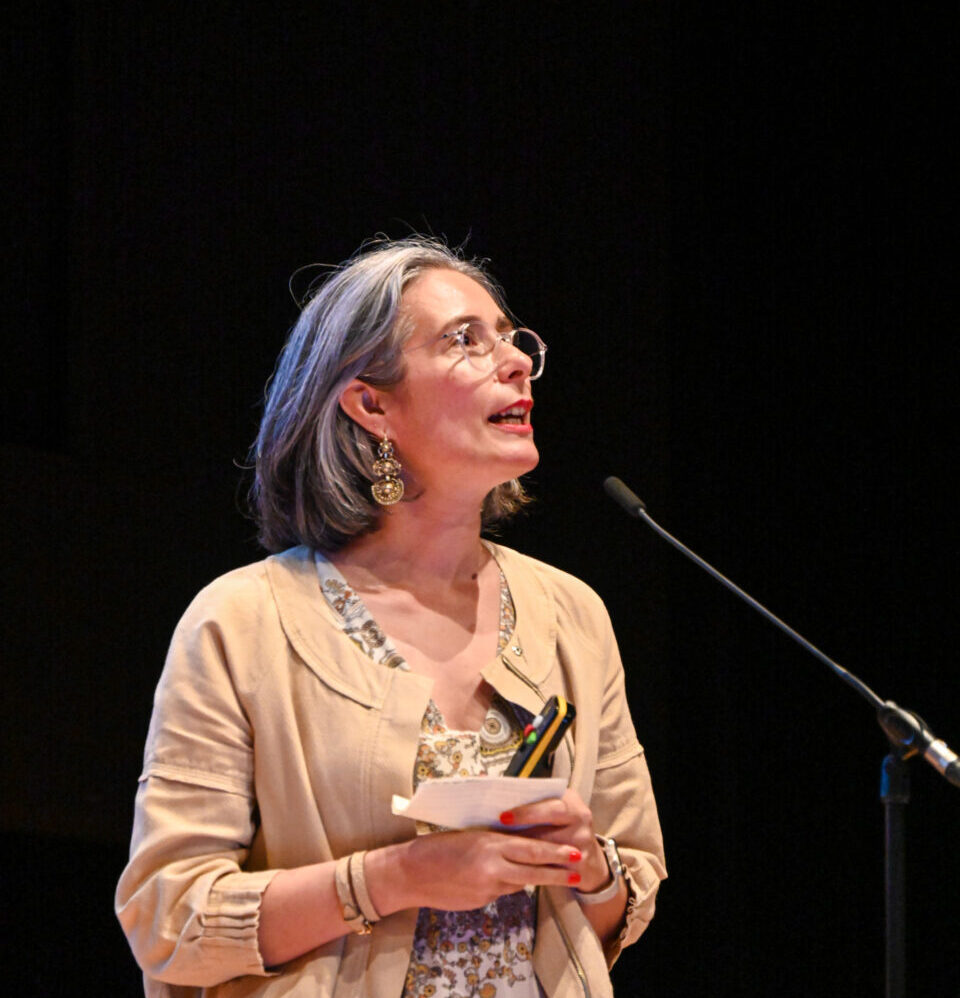
Follow our new series of interviews with influential Forum leaders and IVCO delegates. This week we met with Sónia Fernandes, Presidente Executiva of Pista Mágica in Portugal.
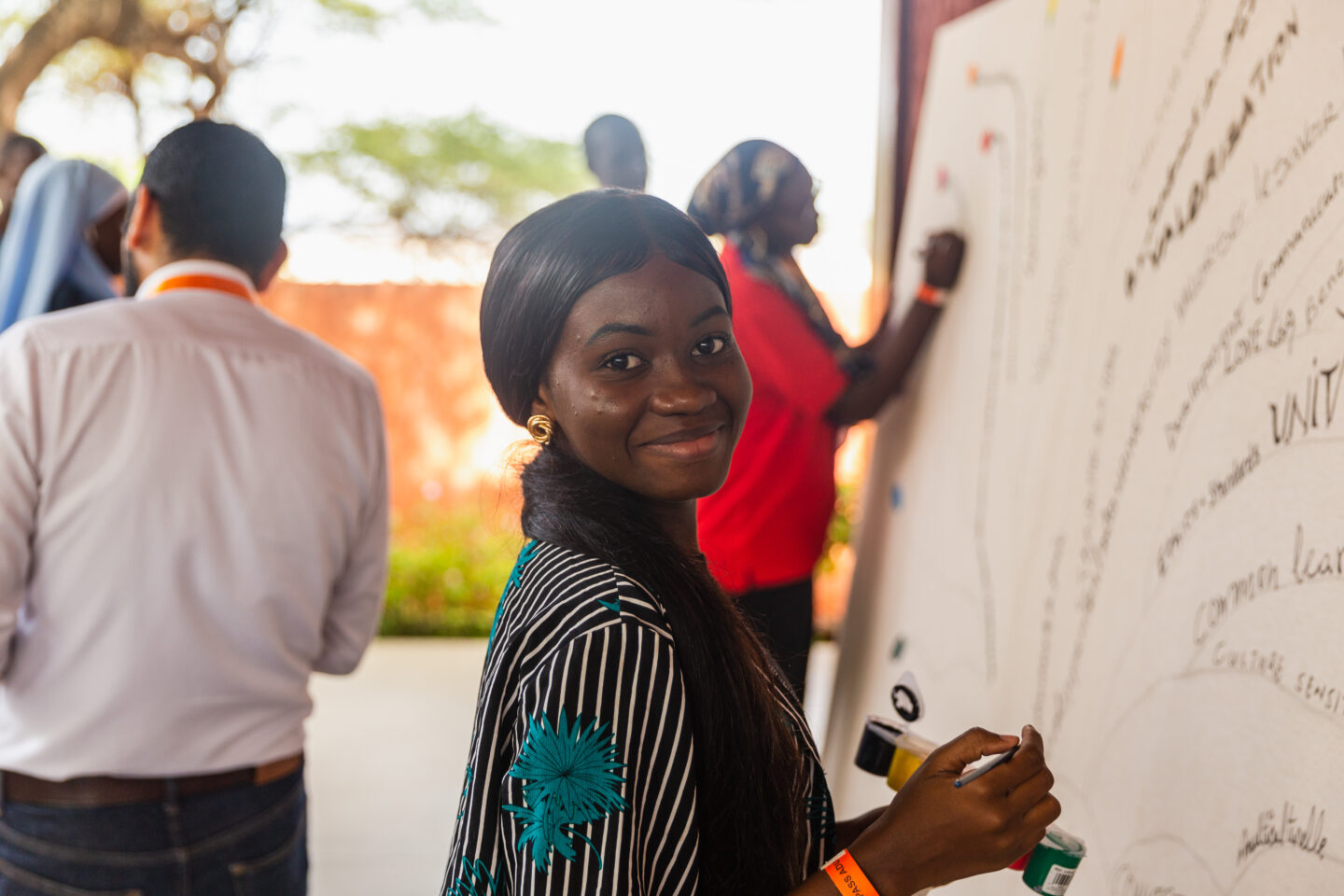
We are excited to launch the programme for IVCO 2025 and to open our call for speakers and think-piece authors.
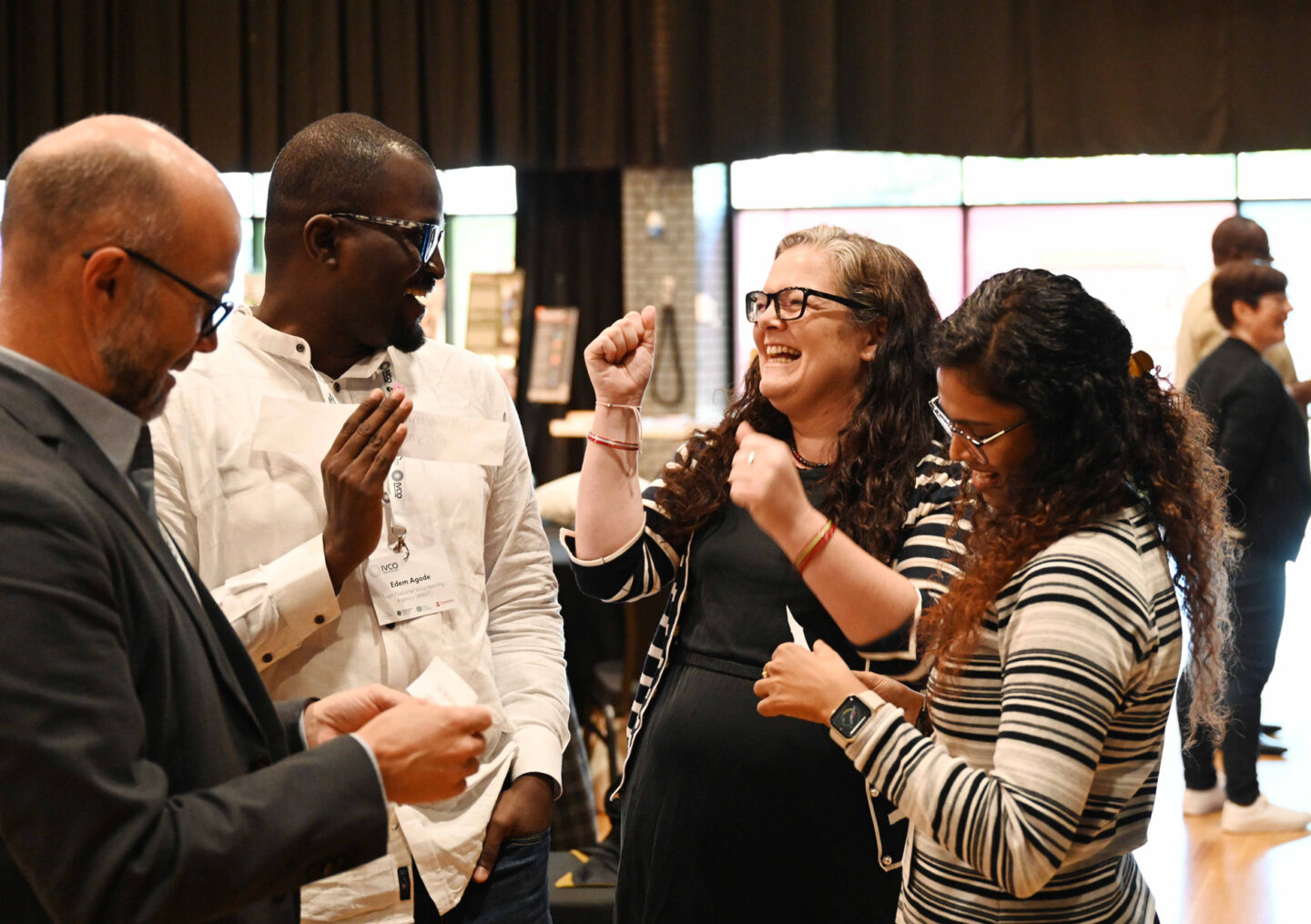
Set against the stunning backdrop of Cambodia’s historic temples, September’s IVCO 2025 builds on the highly successful 2024 event. Participants will again join the entire Forum network, the most significant global network of organisations that work with volunteers to achieve sustainable development goals. IVCO 2025 finds our community facing new challenges, with shifting funding priorities, policy changes, and a global civil society under threat: the way volunteers and organisations operate is faced with rapid change.
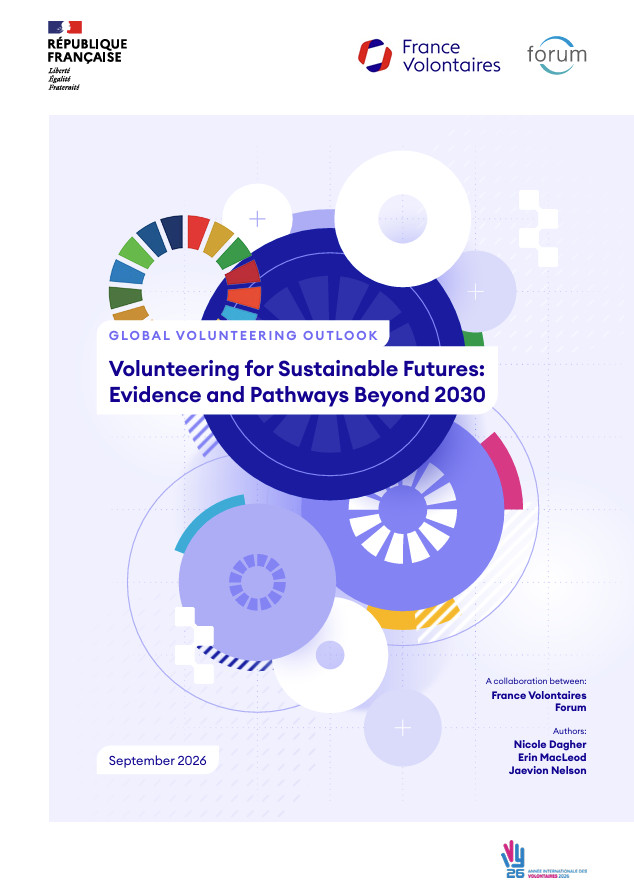
France Volontaires and the Global Volunteering Forum have conducted a joint reflection on these topics ahead of IVCO Paris 2026 (October 19-23). This review is part of the ongoing International Volunteer Year (#IVY2026), which aims to highlight the contribution of volunteering to contemporary global challenges. It extends the work undertaken in recent years by the Forum and its partners and calls for a global dialogue on the role of volunteering in future international development frameworks.
International Voluntary Service (IVS) has undergone a notable evolution since the post-World War II era, particularly influenced by modernisation theory. This theory proposed a development model categorising nations as ‘poor’, requiring support from the Global North. Such structured aid aimed to eradicate poverty while establishing a development discourse in the Global South through skill transfer, financial assistance, and technology. However, this approach has contributed to the process of ‘othering’, as described by Edward Said.
If volunteering is to contribute meaningfully to sustainable development beyond 2030, we need to think less about how individual volunteer assignments incorporate global challenges, and more about how volunteering can mobilise people to act on the bigger political, economic and social forces in their own countries that shape those challenges globally. For international volunteer cooperation organisations (IVCOs), we believe this means a decisive shift in emphasis: more action ‘at home’.
Volunteering for development is grounded in values of generosity, service, and solidarity. These values remain essential because volunteering begins with people, relationships, trust, and a willingness to contribute. Yet in today’s development landscape, where social risks are more complex and civic space is under pressure, good intentions are not enough